
AI and the Future of Business: Beyond the Tools
By James Carter — January 18, 2025 — 6 min read
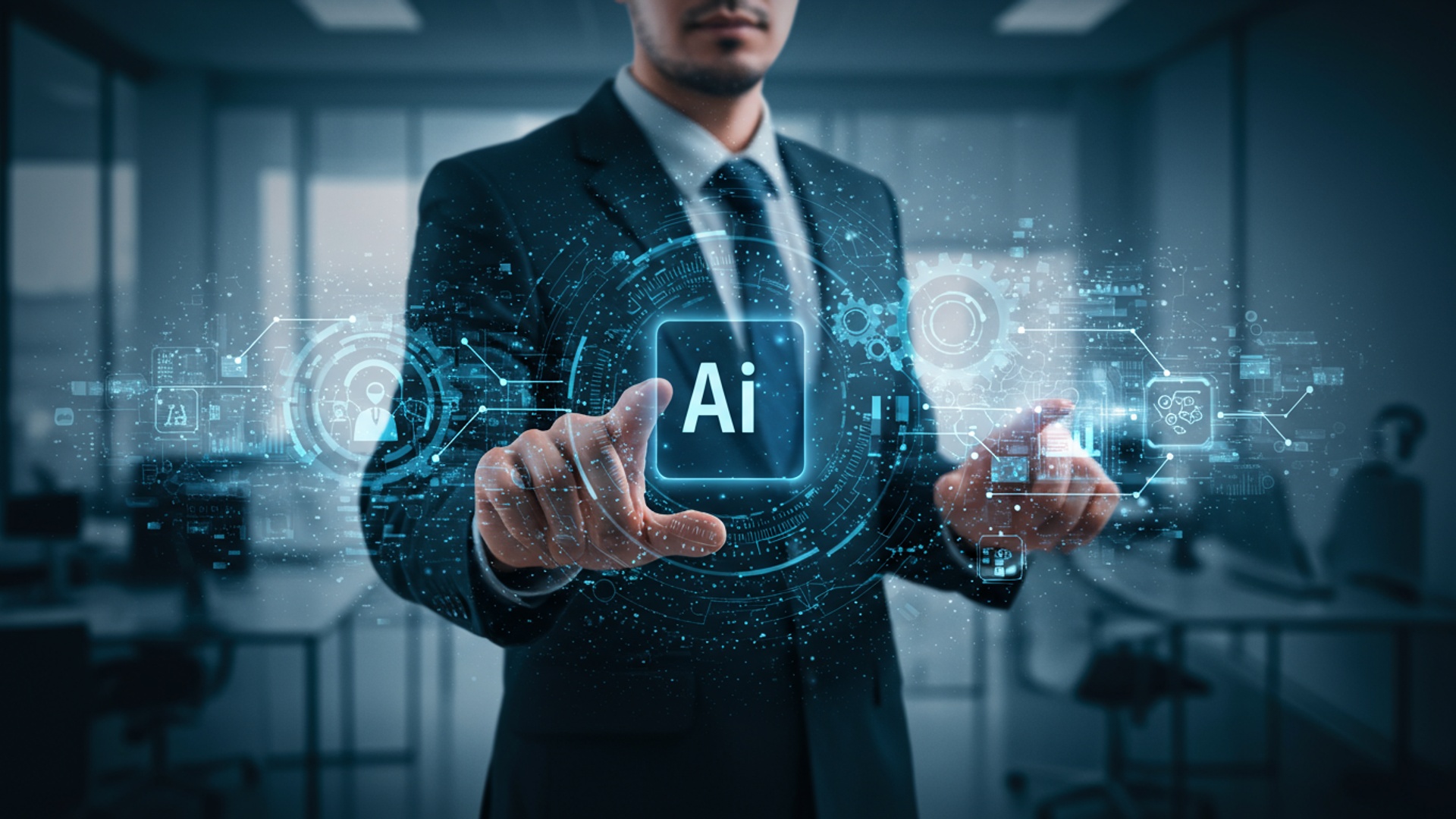
There’s no shortage of talk about artificial intelligence. From generative AI models to photo tools and ready-made chatbots, the conversation is loud and constant. But beneath the hype lies a simple truth that many organizations are still missing—AI is not a product, it’s a culture shift.
True AI adoption is not about which app you use or how many pilots you run. It’s about how ready your organization is to think, design, and operate differently.
The Real Meaning of AI Readiness
AI changes the way decisions are made, how problems are solved, and how people work together. To benefit from it, organizations must first develop what can be called AI readiness—the foundation that makes meaningful transformation possible.
This readiness is not only technical. It’s strategic, structural, and human. It requires leaders to ask:
- Do we have the right data, and do we trust it?
- Is our culture open to experimentation and learning?
- Are our teams trained to work with AI tools responsibly and effectively?
- Do we understand where AI can genuinely create value, and where it can’t?
Without clear answers to these questions, any AI initiative is simply automation dressed as innovation.
The Organizational Prerequisites
- Cybersecurity and data governance. Data is the fuel of AI. In banking sectors of some GCC countries, for example, the banks that have succeeded in using AI for fraud detection or credit scoring are those that built strong data governance frameworks first. AI cannot operate on weak or unstructured data, and it certainly cannot operate where cybersecurity is an afterthought.
- Design thinking and process re-engineering. AI is not meant to fix weak systems. Before automation, there must be redesign. In the oil and energy sector, this means rethinking how data moves across exploration, production, and maintenance. Companies like Saudi Aramco and KOC have used design thinking to reshape operations before introducing AI—resulting in smarter and safer workplaces where technology strengthens human decision-making instead of replacing it.
- Strategic integration, not isolated innovation. Many organizations experiment with AI in silos—a chatbot in customer service, a predictive tool in marketing—but these often fail to scale. Real impact comes when AI becomes part of the strategic plan. It must connect to corporate objectives, KPIs, and the wider transformation roadmap.
The Leadership Mindset
AI adoption is a leadership issue before it is a technical one. Leaders must move from asking “What AI tools should we use?” to asking “What problems are we trying to solve, and how can AI help us solve them better?”
The most effective AI initiatives come from leaders who view it as a tool to enhance decision-making, not replace it. Across sectors, AI is helping organizations make faster, fairer, and more consistent choices by adding clarity, speed, and insight to human judgment. The leaders who succeed treat AI as a capability to be developed, managed, and improved over time—not as a one-time upgrade.
Building an AI-Ready Organization
To use AI effectively, organizations must invest in three parallel streams:
- People: Build literacy and comfort with AI. Everyone, from the boardroom to the front line, should understand what AI does, what it doesn’t, and what it means for their role.
- Processes: Redesign workflows to make room for data-driven decision-making and continuous learning.
- Platforms: Choose technologies that can evolve with your organization—scalable, secure, and integrated with existing systems.
Transformation will not happen all at once, but progress begins when AI is treated not as a tool, but as a thinking partner—one that complements human intelligence with precision, speed, and perspective.
Final Thought
The real potential of AI lies not in replacing people, but in freeing them to think, decide, and innovate at a higher level. In modern businesses, where ambition and investment in technology are strong, the next stage of progress will depend on how wisely leaders use AI—not how quickly they adopt it. Those who see AI as a cultural and strategic capability, not just a digital trend, will build organizations that are not only modern, but intelligent by design.